Table of Contents
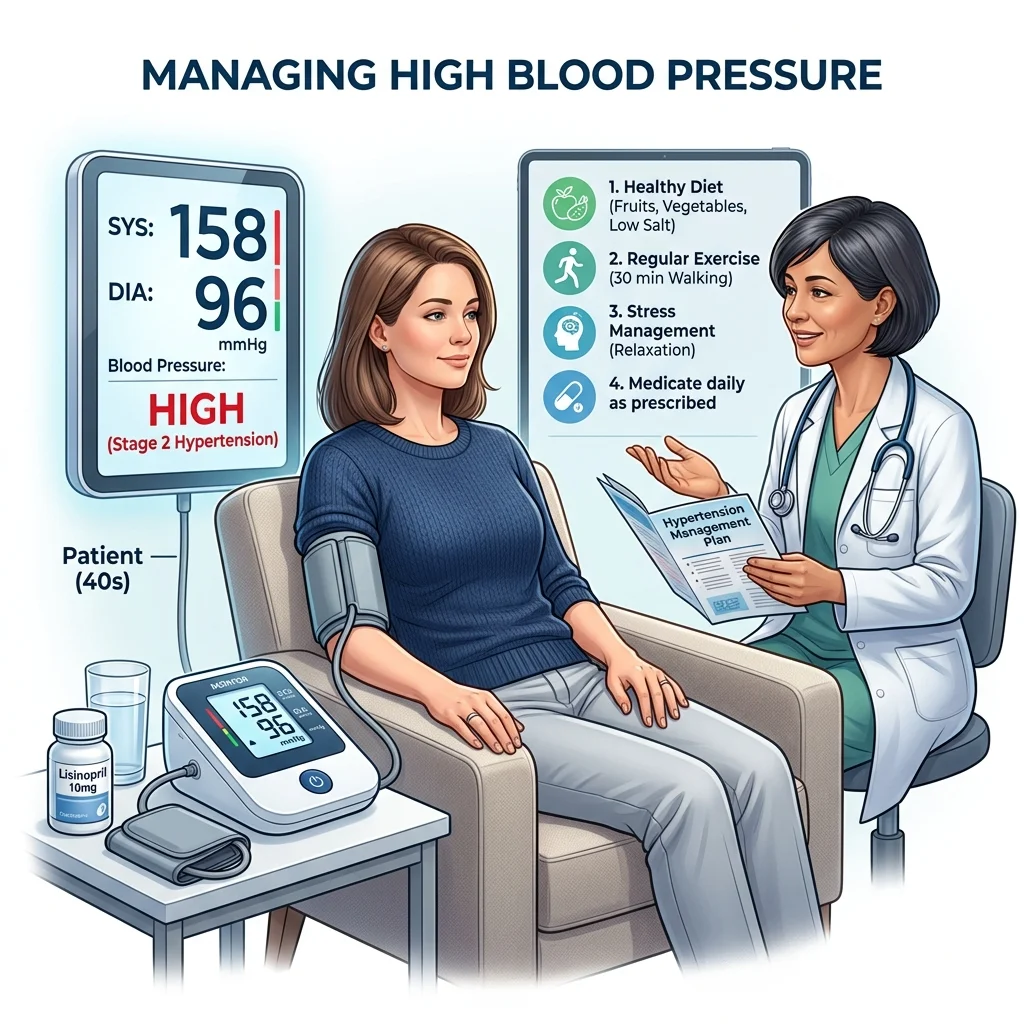
Understanding Hypertensive Crises and Neurological Disruptions
Severe high blood pressure is one of the most critical conditions encountered in emergency care. It can quietly degrade cardiovascular networks and cause significant systemic strain. When a patient experiences an acute elevation in arterial pressure—typically defined as a systolic reading above 180 mmHg or a diastolic reading above 120 mmHg—the condition enters the spectrum of a hypertensive crisis.
This critical status demands prompt medical evaluation to distinguish between two distinct clinical pathways: hypertensive urgency and hypertensive emergency. The primary differentiator lies in the presence or absence of acute target-organ damage.
When severe hypertension presents alongside acute neurological symptoms, such as debilitating dizziness, a throbbing headache, blurred vision, or cognitive changes, clinical suspicion of target-organ disruption increases dramatically. This comprehensive guide outlines the pathophysiology of these symptoms, identifies the associated risks, and provides a systematic emergency protocol for stabilized reduction.
Additionally, as modern clinics continue to evolve, advanced healthcare technologies play a pivotal role. For more context on the digital transformation of patient management, see our in-depth article on The Role of AI in Transforming Modern Healthcare.
The Pathophysiology of Hypertension-Induced Dizziness
To manage an acute hypertensive episode effectively, it is essential to understand why elevated systemic pressure causes dizziness and visual disturbances. The cerebral circulation relies on a highly regulated mechanism known as cerebral autoregulation.
Cerebral Autoregulation and Perfusion Pressure
Under normal physiological conditions, cerebral autoregulation maintains a constant blood flow to the brain across a wide range of mean arterial pressures (MAP), typically between 60 mmHg and 150 mmHg. This stabilization protects delicate neural tissues from both ischemia (low flow) and edema (high flow).
Systemic Pressure Spike (>180 mmHg)
               │
               ▼
Cerebral Autoregulation Failure
               │
               ▼
Transient Hyperperfusion / Cerebral Edema
               │
               ▼
Vestibular & Neurological Disruption (Dizziness & Headache)
When systemic blood pressure exceeds the upper limit of autoregulation, the cerebral microvasculature can no longer constrict effectively to shield the capillary beds. This results in transient hyperperfusion and hydrostatic pressure imbalances. The increased force within the cerebral capillaries can cause subtle fluid shifts and microvascular leakage, irritating the vestibular pathways and resulting in acute, disabling dizziness.
Vestibulocochlear Vulnerability
The inner ear and the central vestibular pathways are highly sensitive to microvascular changes. Because the labyrinthine artery has no significant collateral circulation, any sudden disruption in perfusion pressure directly affects the vestibular system. A sudden surge in pressure can alter inner ear fluid dynamics, causing continuous dizziness, spatial disorientation, and nausea.
Microvascular Shear Stress
The continuous mechanical force of highly pressurized blood flow exerts significant shear stress on the endothelial cells lining the cerebral circulation. Over time, or even during acute surges, this stress disrupts the blood-brain barrier. The resulting minor neurovascular irritation further explains the coexistence of headache and dizziness. In these critical phases, microvascular monitoring and early stabilization prevent catastrophic outcomes like intracranial hemorrhage or transient ischemic attacks.
Distinguishing Between Hypertensive Urgency and Emergency
Effective triage is the cornerstone of emergency hypertensive management. Clinicians must quickly distinguish between these two states to avoid inappropriate treatments that can worsen cerebral perfusion.
Hypertensive Urgency
- Clinical Presentation: Blood pressure readings over 180/120 mmHg without evidence of acute target-organ damage.
- Symptom Profile: Mild headache, moderate anxiety, or transient dizziness without neurological deficits.
- Management Goal: Gradual reduction of arterial pressure over 24 to 48 hours using oral agents. Rapid, aggressive lowering is contraindicated because it can cause cerebral ischemia.
Hypertensive Emergency
- Clinical Presentation: Blood pressure over 180/120 mmHg with clear signs of acute target-organ damage (e.g., encephalopathy, stroke, acute coronary syndrome, aortic dissection).
- Symptom Profile: Severe dizziness, visual disturbances, confusion, chest pain, or focal neurological signs.
- Management Goal: Controlled, gradual reduction of mean arterial pressure by no more than 20% to 25% within the first hour using intravenous medications.
Common Diagnostic Pitfalls
A common mistake in triage is equating extremely high blood pressure with a hypertensive emergency regardless of the clinical presentation. It is essential to remember that even if the blood pressure exceeds 200/130 mmHg, the absence of progressive organ injury classifies the condition as urgency. Aggressive intervention in these patients often leads to hypoperfusion, increasing the risk of acute ischemic stroke or myocardial infarction. Conversely, if a patient presents with a systolic reading of 175 mmHg but has signs of intracranial hemorrhage, it is treated as a severe medical emergency.
Step-by-Step Emergency Clinical Protocol
When severe dizziness is identified alongside elevated blood pressure, the patient requires immediate, systematic assessment. Follow this stepwise protocol to stabilize the patient’s condition.
Phase 1: Patient Positioning and Immediate Stabilization
- Optimize Posture: Place the patient in a comfortable, semi-Fowler position (head elevated at 30 to 45 degrees). This position lowers intracranial pressure and reduces the risk of aspiration if the patient feels nauseous from dizziness.
- Minimize Environmental Stimuli: Reduce lighting, keep the room quiet, and limit interactions. Stress and sensory overload can stimulate the sympathetic nervous system, further raising blood pressure.
- Establish Intravenous Access: Insert a large-bore peripheral cannula to allow for medication administration and fluid balance monitoring.
Phase 2: Rapid Diagnostic Assessment
- Vital Signs Monitoring: Measure blood pressure every 5 minutes using a validated, non-invasive monitor. Take initial readings in both arms to exclude aortic dissection.
- Neurological Assessment: Check pupillary reflexes, visual fields, and perform a focused cranial nerve evaluation to rule out focal deficits.
- Electrocardiogram (ECG): Obtain a 12-lead ECG to detect potential myocardial ischemia or ventricular strain.
+--------------------------------------------------------------+
|             Emergency Stabilization Flowchart                |
+--------------------------------------------------------------+
| 1. Semi-Fowler Positioning (30° - 45° elevation)             |
| 2. Low-Stimulus Environment (Dim lighting, quiet room)       |
| 3. Continuous BP & Pulse Monitoring at 5-minute intervals    |
| 4. Neurological & 12-lead ECG Evaluation                     |
+--------------------------------------------------------------+
Pharmacological Interventions and Therapeutic Targets
The primary objective of treatment in a hypertensive emergency is to reduce blood pressure safely without compromising perfusion to vital organs.
Therapeutic Targets
- Hour 1: Reduce mean arterial pressure by no more than 20% to 25% from baseline.
- Hours 2–6: Target a blood pressure reading of 160/100 to 110 mmHg.
- Hours 24–48: Gradually return the patient’s blood pressure to their normal baseline using long-term oral agents.
| Treatment Phase | Target Blood Pressure Range | Time Window | Medication Route |
|---|---|---|---|
| Phase 1: Initial | ≤20% reduction in MAP | 0 to 60 Minutes | Intravenous (IV) |
| Phase 2: Secondary | 160/100 – 160/110 mmHg | 1 to 6 Hours | IV / Transition to Oral |
| Phase 3: Final | Normal baseline level | 24 to 48 Hours | Oral Maintenance |
Recommended Medications
- Labetalol: A dual alpha- and beta-adrenergic antagonist. It reduces systemic vascular resistance while maintaining cerebral, renal, and coronary blood flow.
- Nicardipine: A short-acting dihydropyridine calcium channel blocker. It provides precise, titrated reduction of total peripheral resistance and has a low risk of causing reflex tachycardia.
- Nitroprusside: A potent direct vasodilator. It should be reserved for cases where other medications are ineffective or contraindicated, as it requires continuous arterial line monitoring.
Advanced Treatment Considerations: Managing Postural Vertigo
When severe dizziness persists after blood pressure has stabilized, the patient may have persistent postural vertigo or central vestibular irritability. This residual dysfunction requires specialized care.
Postural Stabilization and Reassurance
The physical sensation of vertigo can cause anxiety, triggering further sympathetic nervous system activation and creating a feedback loop that raises blood pressure. Address this issue directly with targeted treatments.
- Provide reassurance to reduce anxiety.
- Instruct the patient to keep their gaze fixed on a stable object to help suppress vestibular symptoms.
- Administer anti-vertigo agents, such as meclizine or low-dose benzodiazepines, if the dizziness prevents safe movement or causes persistent nausea.
Long-Term Monitoring and Prevention Strategies
Once the acute episode has resolved, the patient requires a long-term care plan to prevent recurrences and manage underlying conditions.
Comprehensive Risk Evaluation
- Outpatient Follow-Up: Schedule a follow-up visit with a primary care physician within 7 days of discharge.
- Routine Self-Monitoring: Teach the patient how to measure their blood pressure accurately at home using an automated, upper-arm monitor. Have them record readings twice daily.
- Lifestyle Modifications: Work with the patient to implement practical dietary changes (e.g., reducing sodium intake to less than 1,500 mg per day), establish a regular aerobic exercise routine, and teach them effective stress-reduction techniques.
Therapeutic Challenges in Refractory Hypertension
Some patients do not respond adequately to standard regimens. In cases of refractory hypertension, where blood pressure remains elevated despite multi-drug regimens, evaluating secondary causes is necessary. Underlying issues such as renal artery stenosis, pheochromocytoma, or hyperaldosteronism must be investigated. Diagnostic screening should include renal ultrasound, metabolic panels, and hormone assays. Establishing a continuous care loop and optimizing pharmacotherapy are vital steps in breaking the cycle of acute episodes.
Summary of Recommendations
- Prioritize Controlled Lowering: Avoid aggressive treatments that lower blood pressure too quickly. Fast reductions can lead to cerebral hypoperfusion and worsen symptoms of dizziness.
- Use Clear Diagnostic Triage: Differentiate between urgency and emergency status immediately based on the presence of target-organ damage.
- Follow a Step-by-Step Approach: Use the semi-Fowler position and create a low-stimulus environment to help stabilize the patient naturally.
- Transition Carefully: Move from fast-acting intravenous medications to long-term oral therapies over 24 to 48 hours to keep the cardiovascular system stable.